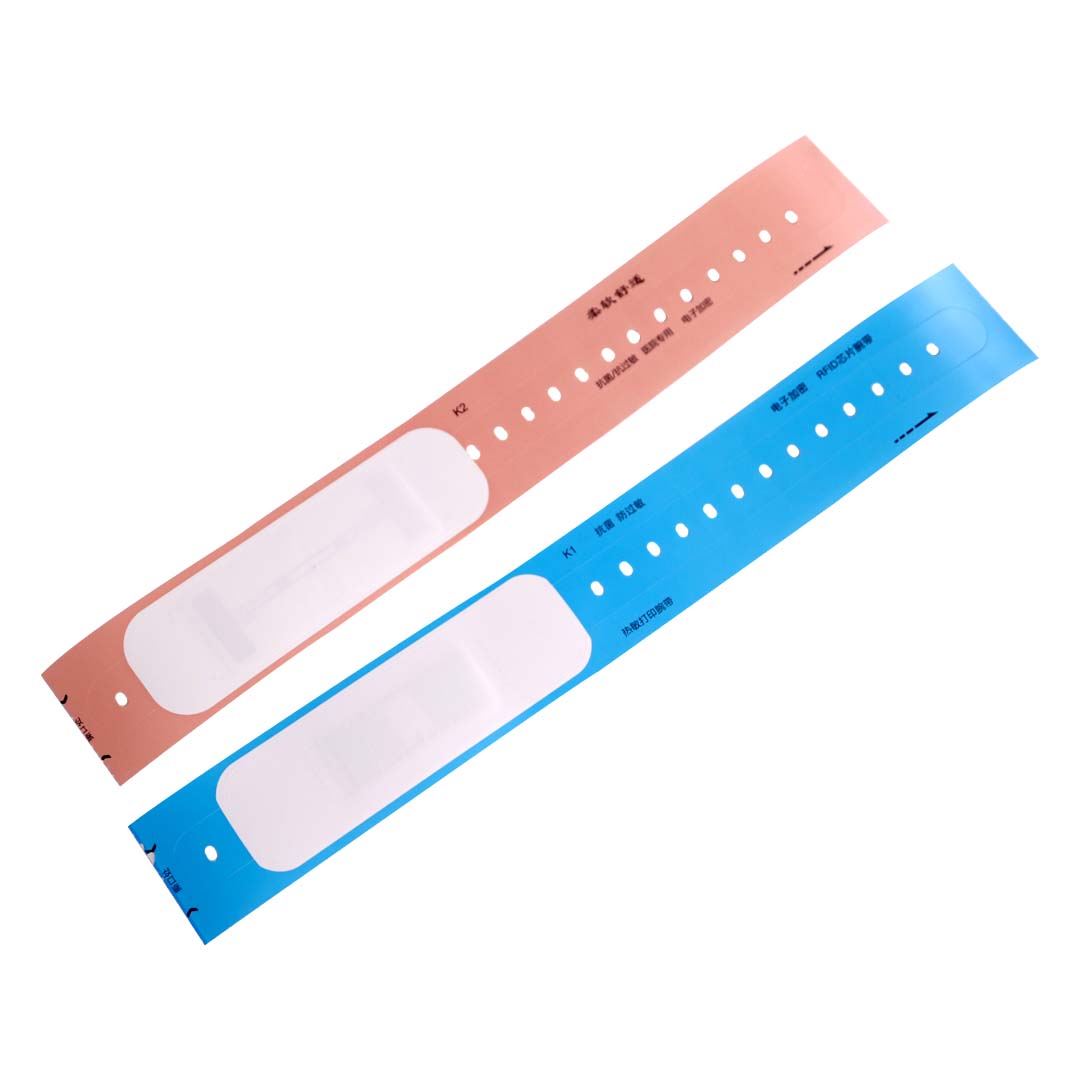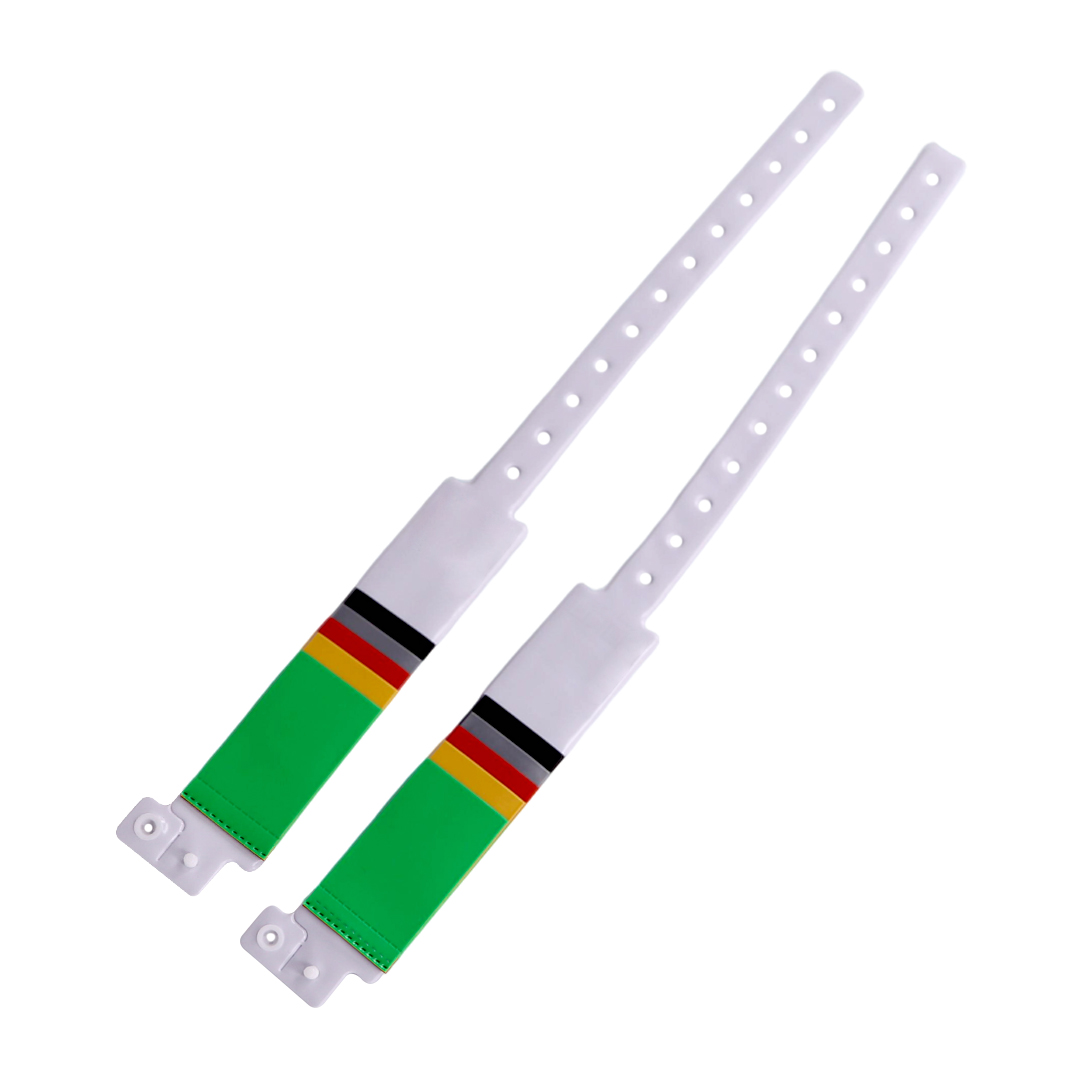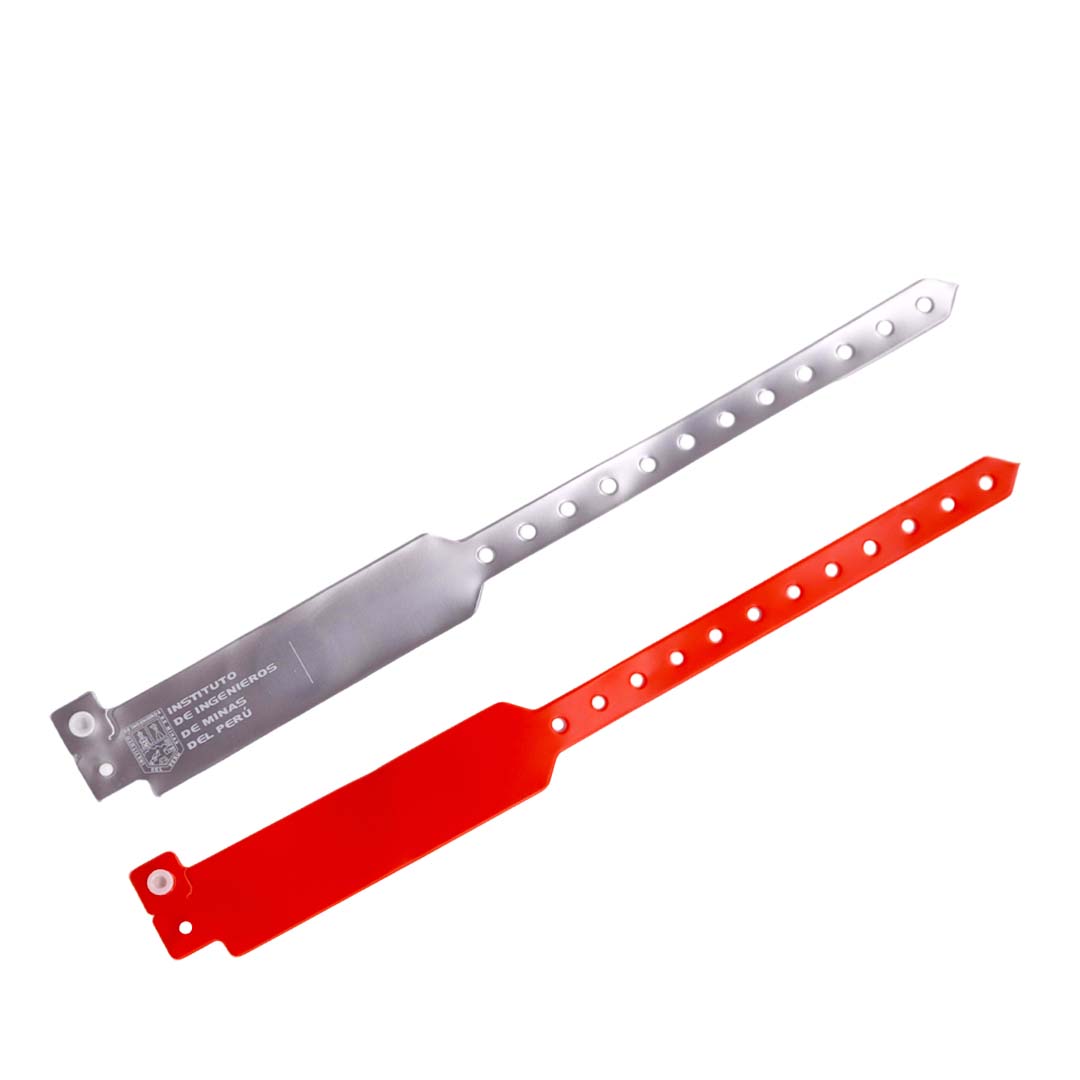
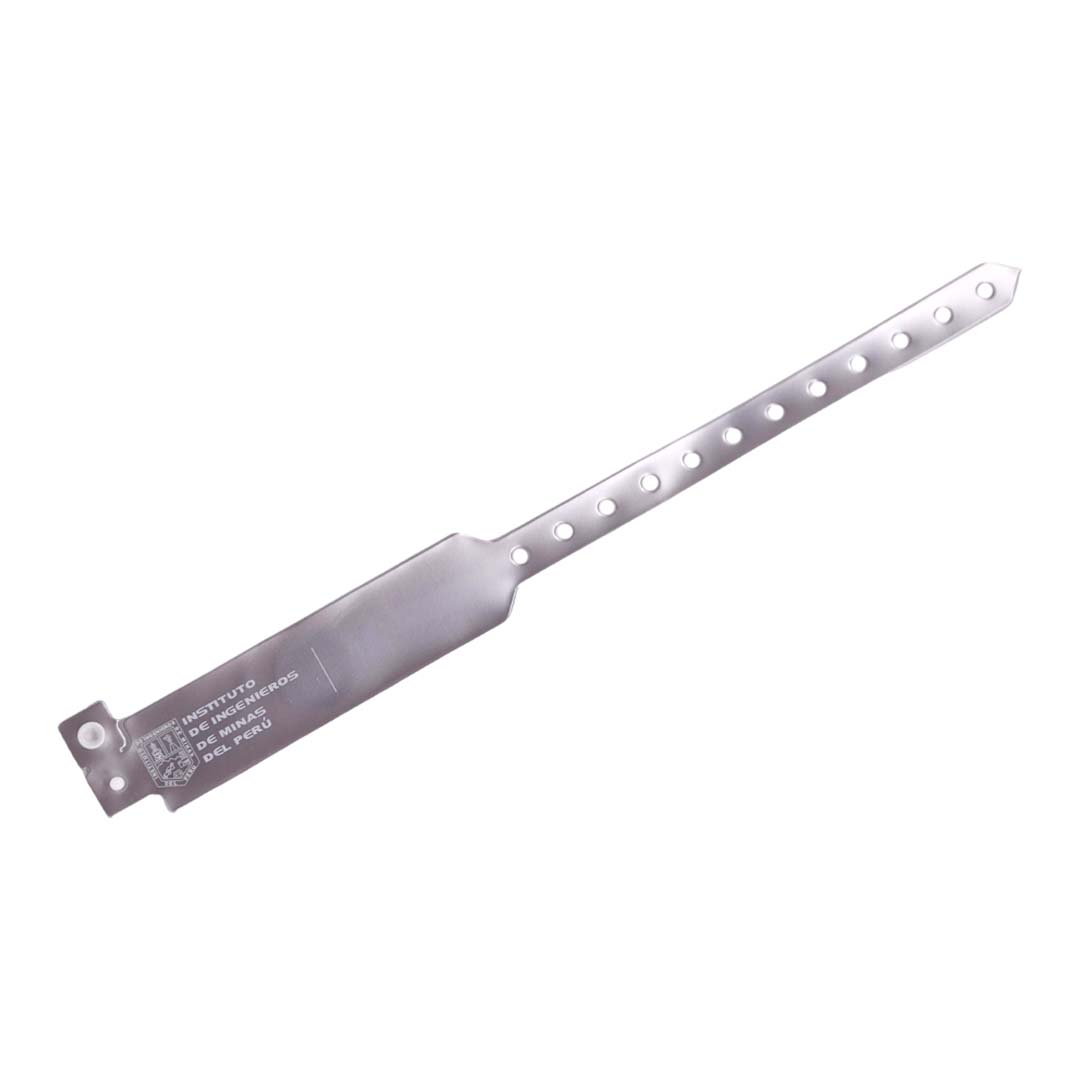
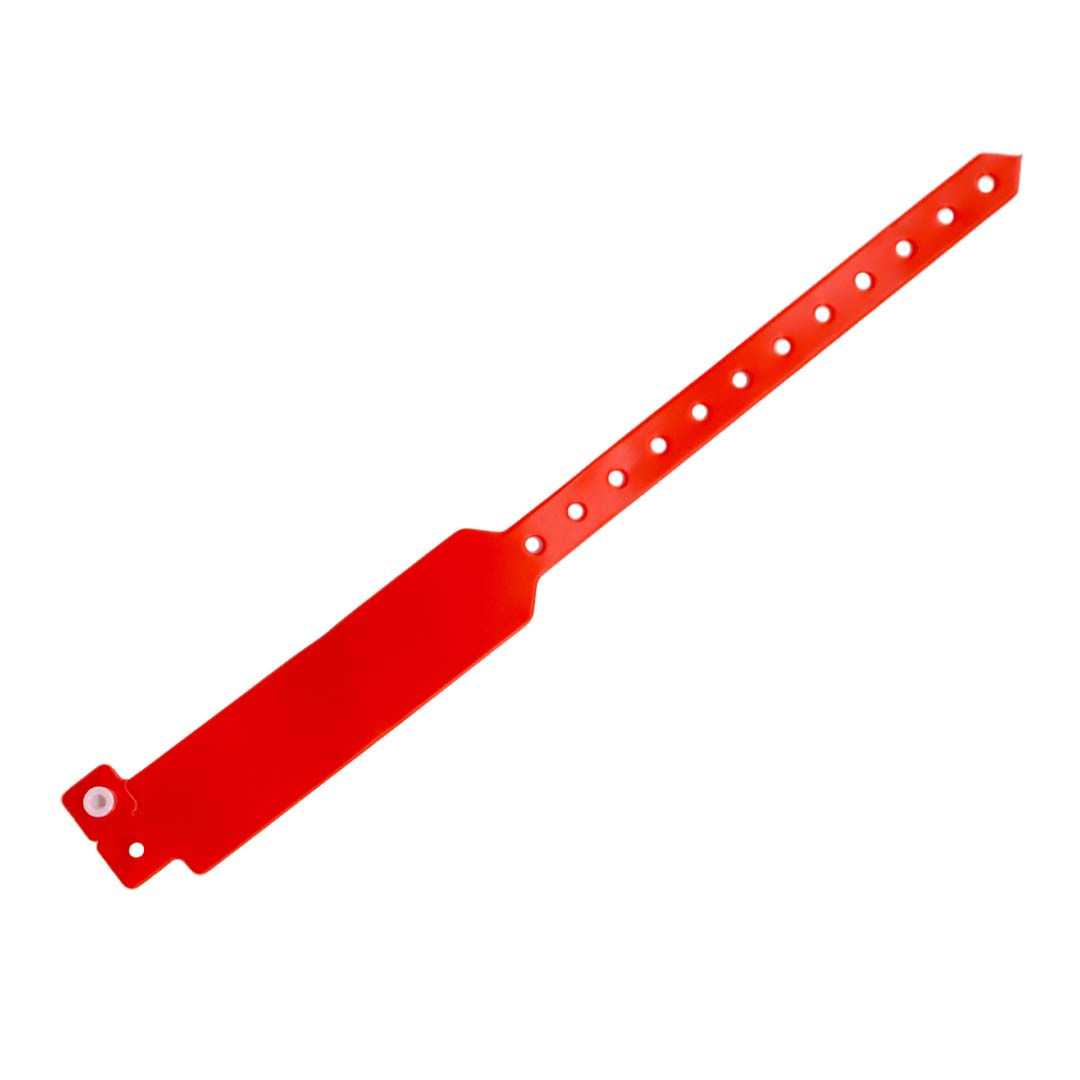
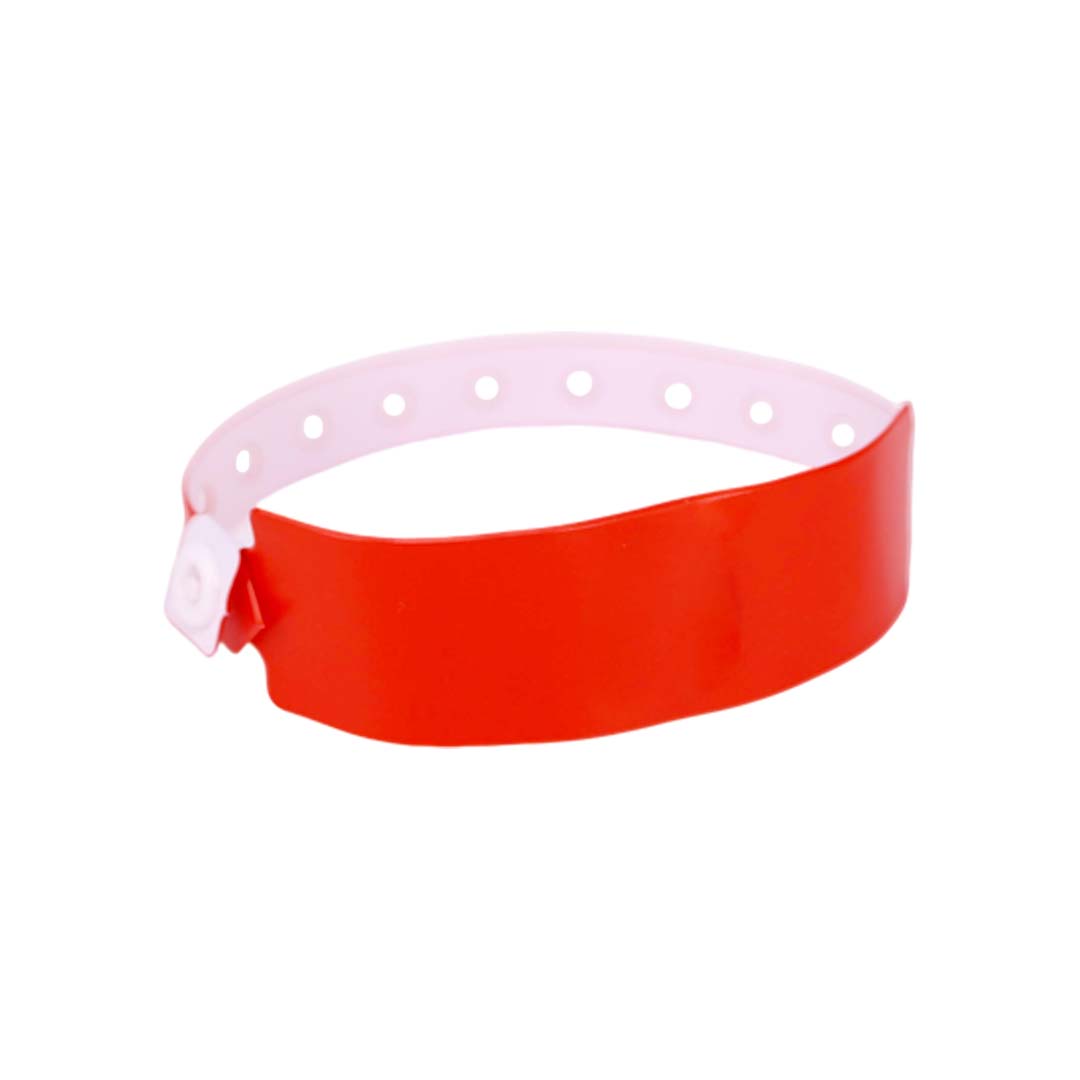
Dimensions: 280 × 26 cm
Material: PVC
Operating Temperature: -40 to +80°C
Storage Temperature: -40 to +85°C
Standard: 15693/14443A
Chip: High-frequency NTAG icodeslix
EPC Memory: 888 bits
Reading Distance: 1–5 cm
Data Retention: 10 years
Write/Erase Cycles: 100,000 times
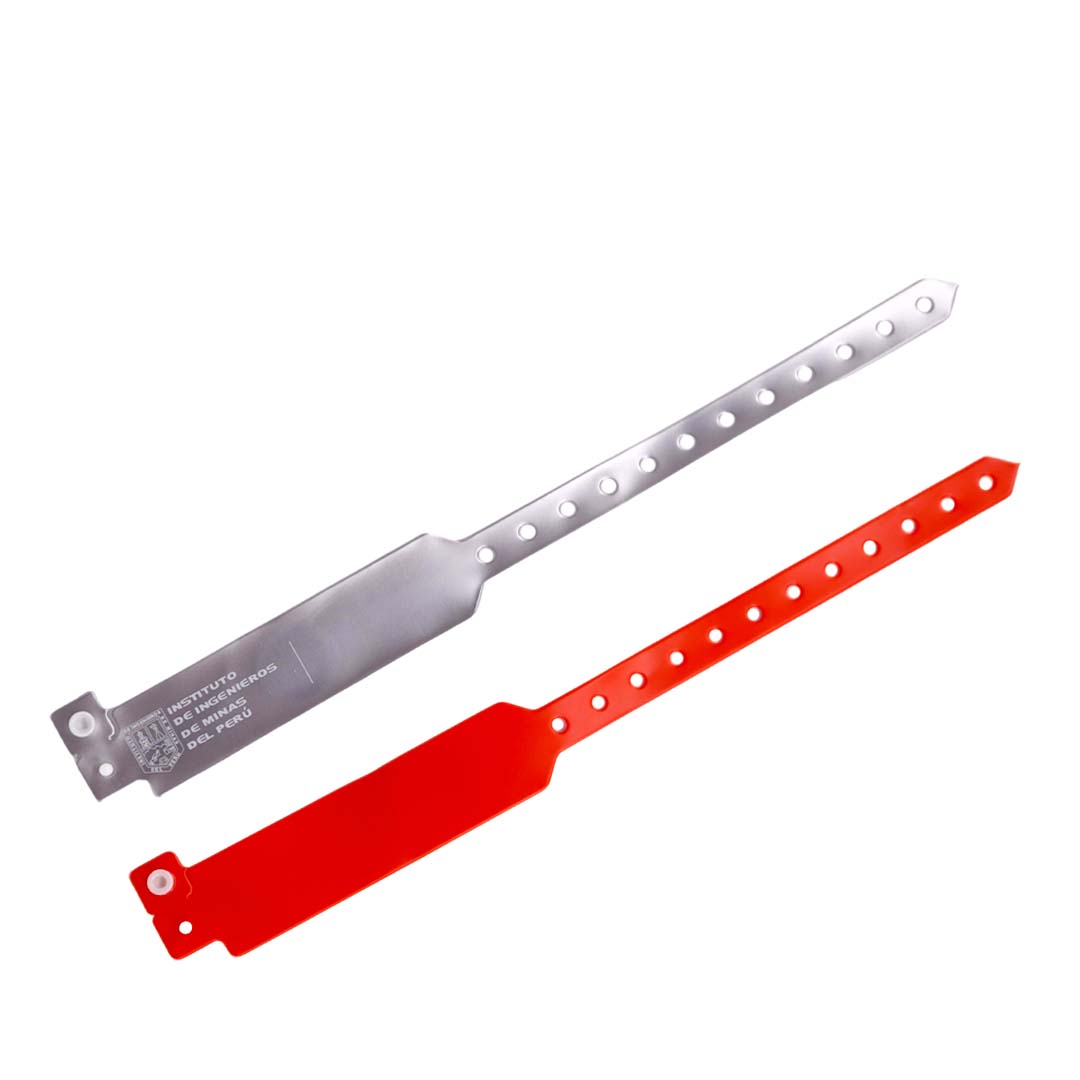
Customization: Surface can be printed with logos, text, patterns, or serial numbers; data can be written
Applications: Theme parks, swimming pools, water parks, entertainment venues, fitness clubs, medical management lockers, and other systems
Description
A PVC wristband is essentially a “smart tag” worn on the wrist. Leveraging the comfort and durability of PVC, combined with the contactless identification capabilities of RFID, it is widely used in various scenarios requiring fast, convenient, and automated identification of individuals, access control, or process management. It is less prone to loss or damage than traditional cards or wristbands and offers a more comfortable wearing experience. It combines the physical durability and comfort of PVC wristbands with the automatic identification and data collection capabilities of RFID technology.
Features
Made of PVC
Soft and comfortable, waterproof and sweat-resistant, durable and tear-resistant, skin-friendly (suitable for extended wear), and available in a variety of colors.
Smart Identification
Embedded RFID chip and antenna. Stores a unique identification code or a small amount of data. Communicates with nearby RFID readers via contactless radio frequency signals (no need to insert, remove, or precisely align the wristband). Reading range: Depending on the chip type (Low Frequency [LF], High Frequency [HF]/NFC, Ultra-High Frequency [UHF]), the reading range varies from a few centimeters to several meters.
Customization
The surface can be printed with logos, text, patterns, or serial numbers. Available printing methods include (laser-etched QR codes, laser-filled, resin-embossed, laser-engraved, screen printing, laser engraving)
Application
1. Access Control: Rapid access for office buildings, gyms, swimming pools, residential communities, and event venues.
2. Event Management: Used for identity verification, ticket validation, zone-based access control, and cashless payments at concerts, trade shows, sporting events, and similar occasions.
3. Personnel Management: Identification of patients and staff in hospitals; student management in schools; attendance tracking in factories; and tour group management.
4. Membership Management: Member identification and transactions at gyms, clubs, and resorts.
5. Cashless Payments: Small-amount transactions at specific venues (such as water parks, resorts, and event venues) after pre-loading funds.