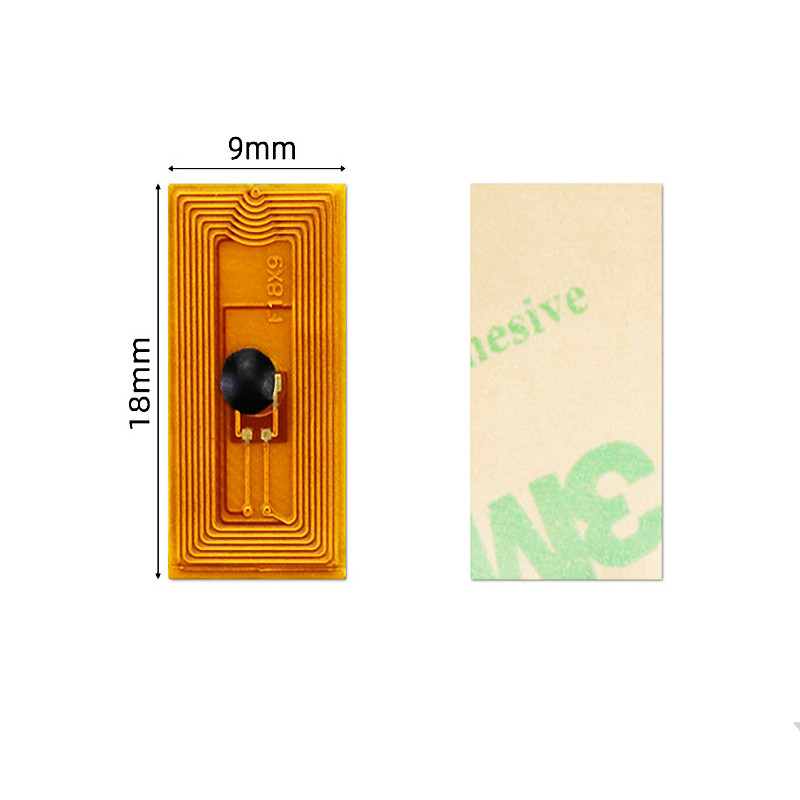
Chip Packaging: HF 14443A protocol, HF 15693 protocol, UHF 18000-6C protocol
Operating Frequency: 13.56 MHz / 860 MHz to 960 MHz
Chip Models: Mifare1K, FM11RF08, ICODE SLIX, NTAG213/215/216, H3, MR6P, UCODE8...
Storage Capacity: Depends on chip model
Data Retention: 10 years
Reading Range (depends on reader power): HF 1–10 cm, UHF 1–10 m
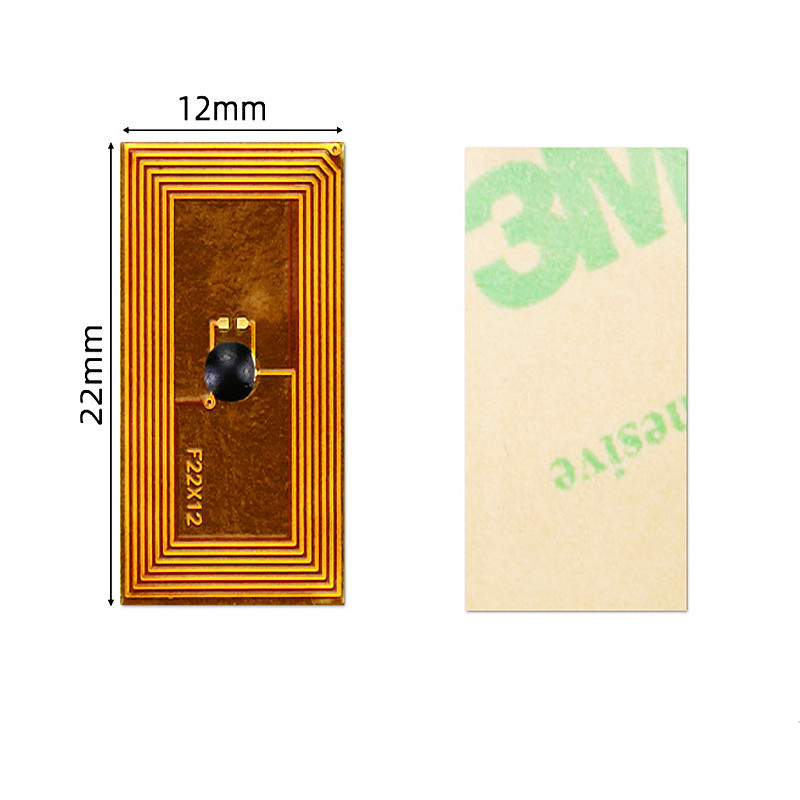
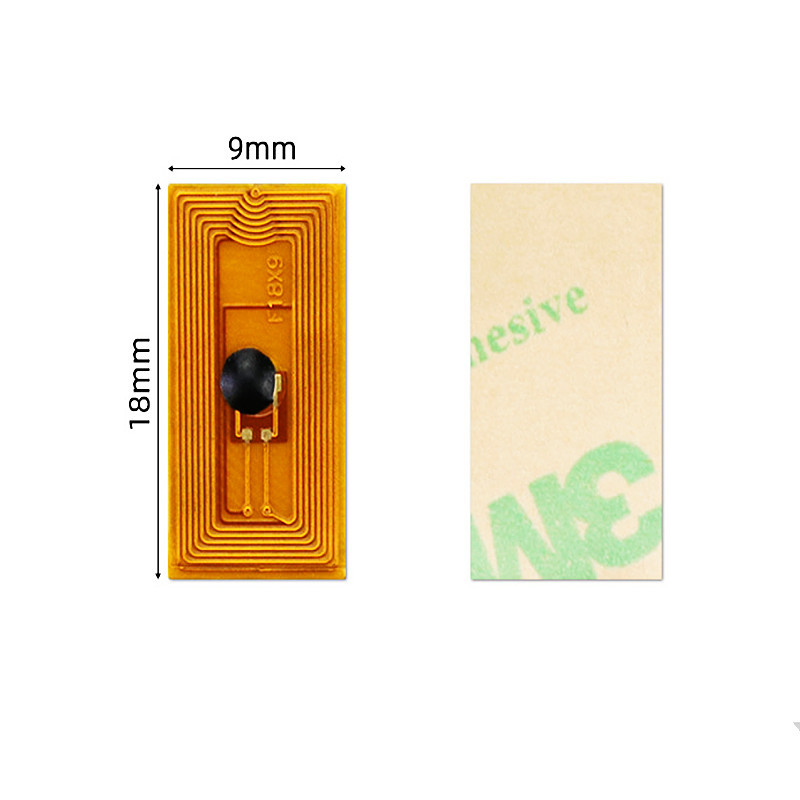
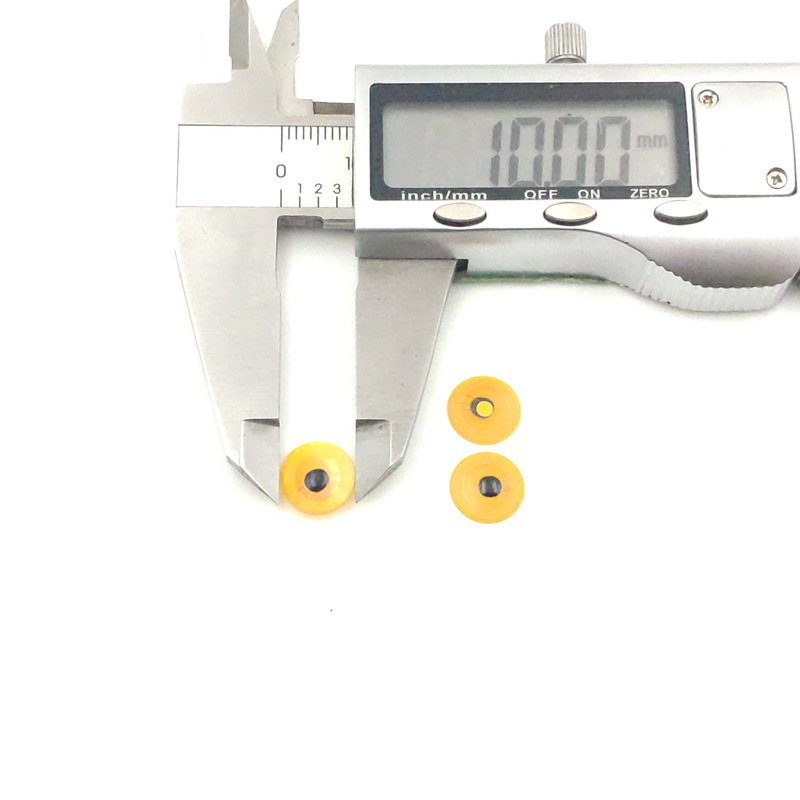
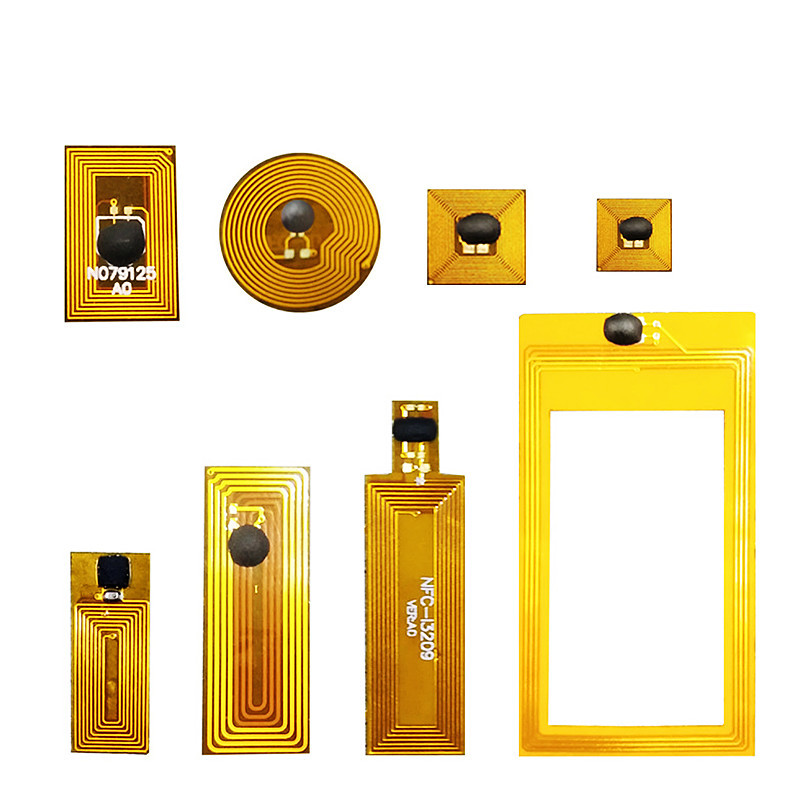
Product Dimensions: 10×15 mm / D10 mm / 9×46 mm / 11×71 mm...
Packaging Material: FPC
Product Color: Yellow
Mounting Method: Adhesive Backing / No Adhesive Backing
Dust and Water Resistance Rating: IP68
Storage Temperature: -40°C to 100°C
Operating Temperature: -30°C to 85°C
Certifications: REACH, RoHS, CE
Applications: Silicone wristbands, children’s toys, Bluetooth speakers, bulk container tracking, vehicle tracking, post-painting oven curing, equipment tracking, tool tracking, WIP transport equipment, IT/telecom management, instrument tracking, weapon tracking.
Description
High-temperature-resistant FPC RFID tags are characterized by their high-temperature resistance, pressure resistance, and compact size. They are commonly used in high-temperature environments for inventory management and control on assembly lines, for tracking incoming and outgoing goods, or for injection molding alongside plastic parts. During the injection molding process, the RFID chip remains unaffected by the high temperatures, preventing damage. This allows the FPC-based RFID tag to be seamlessly integrated into the molded part, making it tamper-proof and difficult to remove or counterfeit. Consequently, these tags offer superior anti-counterfeiting capabilities and are widely used for product authentication and traceability.
Features
● Compact Size and Stable Performance
Due to material limitations, traditional etched aluminum antennas cannot be made smaller. Compared to aluminum, copper is more stable and resistant to etching, allowing for the production of antennas with more stable frequencies and smaller dimensions. The manufacture of compact, high-precision antennas has long been a major challenge in the RFID tag industry, but the use of copper antennas has successfully resolved this issue.
● High-Temperature Resistance and Robust Performance in Harsh Environments
The widespread adoption of NFC technology has driven demands for smaller electronic tag encapsulation sizes, more stringent environmental requirements, and thinner structural designs. From concept to implementation, we integrated material selection and industry-specific process requirements. Using a PI substrate and copper etching technology as a foundation, combined with industry-standard micro-bonding techniques and post-processing, we successfully developed this product. It features long-range communication, stable performance, a compact design, and high-temperature resistance, earning high satisfaction from users.
● Features: Flex resistance, chemical resistance, and pressure resistance
Commonly used in high-temperature environments for production line inventory management, tracking of incoming and outgoing goods, or co-molding with injection-molded parts.
● Suitable for Special Applications
After comparing several chip packaging technologies currently available in the industry, we selected the COB (Chip-on-Board) process. Its stability has been verified over a long period and is widely recognized across the industry. This packaging process can be used in various harsh environments and accommodates different packaging formats in later stages.
Application
1. Trays
2. High-temperature injection molding
3. IT asset management
4. Anti-counterfeiting and traceability
5. Asset management on metal surfaces with limited installation space, etc.